Are You a Victim of Phishing Scam? [2025 Guide]

Let’s dive in to find what a phishing scam actually is, how it works, what its types are, and how you can protect yourself from phishing scams in 2025.
What is a Phishing Scam?
You may have heard about phishing, but have hardly dug in to find out what it is all about and how it can be a criminal offense. It’s a type of cybercrime that deceives its victims by stealing their sensitive information, such as usernames, passwords, credit cards, and banking details.
In other words, it is an attempt at identity theft so as to take advantage of their financials, such as a password to your bank account/ online wallet or credit card information. As beneficial as the internet is for us, we have come a long way to now experience some of its drawbacks, such as this.
Types of Phishing Attacks
Phishing scam works in many ways where cybercriminals get access to your personal information. If you have been phished, chances are the hackers have used the following ways:
Smishing
Hackers pretend to be someone from your bank or organization and send you a link to their phishing site. Once you have clicked, they can have access to your personal data.
Whishing
This is the same attempt as Smishing, but it happens on the WhatsApp messaging app, where these malicious actors send the link to the victim.
Vishing
Also called voice phishing, where hackers call you from a fake number that appears to be legit at first glance. Sometimes, they use text-to-speech apps or use their real voice to trick you into giving your bank details.
Phishing scam received through emails can happen to an individual or an organization, where the perpetrator sends an email to the victims from a website or email ID that they have an association with. Users will be asked to go to the website where they can extract your information by hacking into your personal or office device.
Whaling
Whaling is a type of phishing scam that mainly targets the upper-level individuals of an organization. In Whaling, hackers may attempt to mimic other executives and communicate with them to steal sensitive data and trigger authorized fraudulent transactions.
Social Media
Social media is an ideal place for hackers to observe and trick their victims through a spoofed identity. They will be communicating with you as an admin to the platform and thereby collecting your personal information without you knowing.
Identify a Phishing Scam 101

As mentioned earlier, hackers can trick people into sharing their information via email, SMS, text message, and even phone calls, and this information is used in a derogatory way. It is therefore very important to be aware of the common attempts by these so-called cybercriminals. You can identify a phishing scam from their tone and a few lines that are quite common amongst them.
They’ll call or message you to inform you that there have been suspicious login attempts on your account. Sometimes, they call you to inform you that there is a problem with your billing information.
Who are the Victims of a Phishing Scam?
There is no particular victim for a phishing scam as it can target any individual, business, or organization. Cybercriminals mostly like organizations since they have a list of transactions and customer information that hackers can use for their own advantage.
A normal person can also fall under the victim list of phishing scammers as they access their private data, including the credit card details, which is a full stop to most working-class people.
Best Ways to Defend Against Phishing Scams in 2025
To protect yourself against phishing attacks, here are some of the best ways to implement.
- Always stay cautious of the suspicious links that most people see in abundance while online. A tip to remember: if the URL has misspellings or looks suspicious, it’s likely an attempt to scam you, so avoid clicking on it.
- Always verify the senders who sent you the emails requesting login information and other details.
- Keep your essential software updated, which involves the operating system, antivirus software, and anti-malware apps to keep your system secure.
- Use Anti-Phishing toolbars to detect and block websites that are most likely to generate phishing scams.
- In 2025, using a VPN is extremely useful to keep your online information safe. Reputable VPNs encrypt users’ data and secure the whole connection on public Wi-Fi, where you are at higher risk. Hiding an IP address is the best trick against phishing scams by a VPN that prevents them from intercepting your online browsing history and transactions that you make.
Conclusion – Phishing Scams Can Be Prevented!
If you fall for a phishing scam, the results can be devastating! Staying aware of phishing emails and websites that pose as individuals or companies will prevent the gathering of your personal information.
Organizations have taken vigilante approaches to identify and block these websites to keep their data secure. Updating to the latest security patches is the key to keeping these scams out of reach. But if you have been phished, what you can do is change your password quickly and report the incident to the security team. You can also scan your device for malware, or the best thing yet is to use a VPN that keeps your connection encrypted at all times, making it impossible for cybercriminals to lay a finger on you!

Frequently Asked Questions
What is it called phishing?
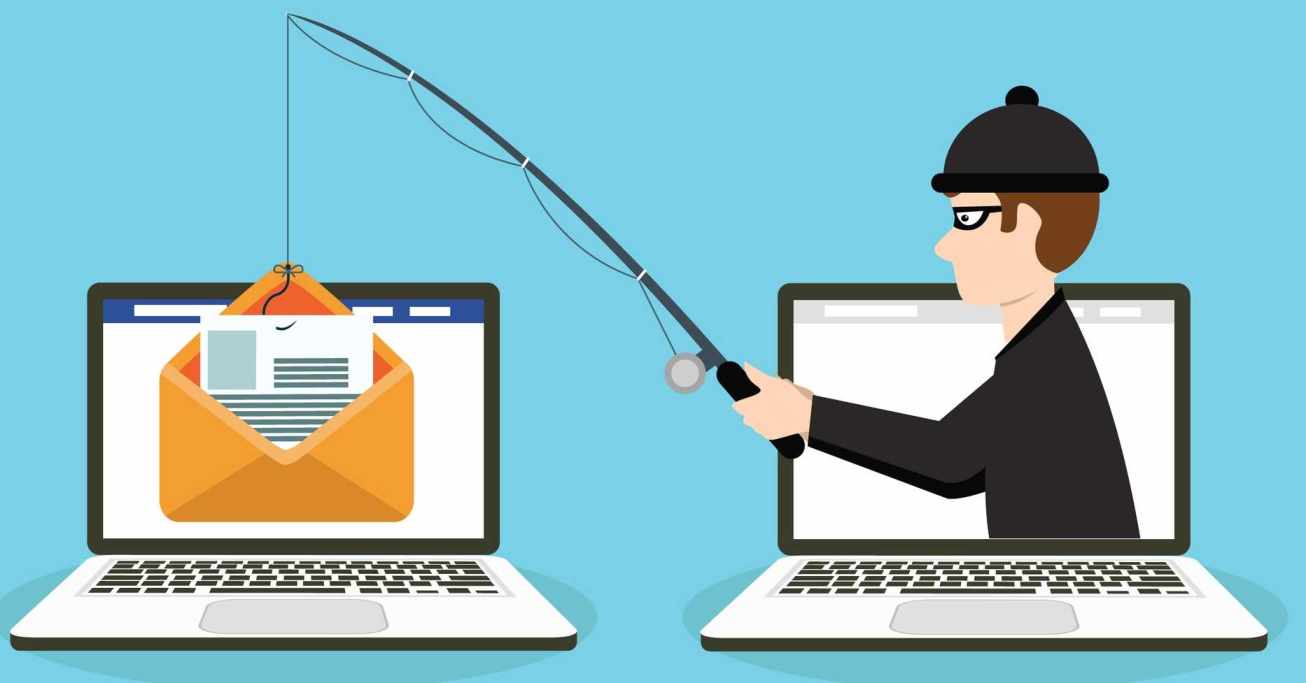
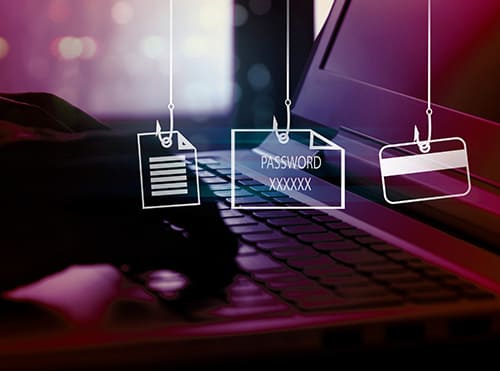
It’s like using a bait to catch a fish, a similar attempt by the hackers to use bait against their victims so they can share their sensitive data.
How to protect yourself from phishing scams?
The first thing you can do to protect yourself from phishing scams is install an anti-virus software or a VPN software on your device. You must also update the software of your device to get the latest security patches. Another useful gesture is to back up your data in case a phishing incident happens.