Cyberterrorism: Understanding the Cyber Threats in 2025

Internet; there are two sides to this coin, one is a blessing and the other is harassing. With technological advancement, our methods of communication have become significantly easier and compact, and so have the methods of education and businesses. But it also opens doors for an uncanny term called “Cyberterrorism“, an exploitation of vulnerabilities in a digital world.
Now, cyberterrorists can target anyone online just as they would in the physical world. But the concept of Cyberterrorism is significantly different from common hacking and cyber intrusion. Having a firm grasp on the essential cybersecurity tools can bring a considerable change in your privacy, as demonstrated in this blog.
Cyberterrorism Definition

Cyberterrorism is a set of malicious activities done by a group or an individual against a particular organization, government, or individual. Cyberterrorism is not a hacking attempt for personal gains, but to spread chaos among the public in order to push their idea, which can be political, religious, etc.
If you want a simple definition of Cyberterrorism, take it as a combination of cybercrime and terrorism to cause disruption in a system.
Common Methods Used in Cyberterrorism
Cyberterrorism can target any place in the world without being physically present there. Some of the common methods used in 2025 by cybercriminals are:
DDos Attacks

Ransomware and Malware

Malware is malicious software that simply gains access to your personal data and locks files. Ransomware is demanding a ransom from the victim whose data has been attacked.
Target Critical Frameworks

You may have seen this in the Marvel movies, where they place an EMP near the energy grids and shut down an entire town’s electricity. This can also be done on the transportation system and water supply to shut down an entire city or region.
Examples of Cyberterrorism in the Real World
There are various examples of cyberterrorism ever since the internet has taken various jobs.
WannaCry Attack in 2017 was spread globally, as a ransomware, it hacked multiple businesses, hospitals, and government systems. It was the finest example of how dangerous coordinated cyberattacks can be.
Another coordinated attack spread worldwide by ISIS, where they used multiple propaganda, hired members for their terrorist group, and executed attacks on multiple locations.
Impacts of Cyberterrorism

The Internet is now being used by more than half of the world’s population; therefore, the impact of cyberterrorism can be quite disruptive.
- It can cause economic damage by damaging financial institutions and world trade, which can cost billions.
- Cyberterrorism poses multiple risks to national security by attacking the military networks and their missile systems.
- The devastating psychological impact of cyberterrorism can be long-lasting since the dependency on technology is way too much.
With the latest technologies like Artificial Intelligence (AI), Internet of Things (IoT), and cloud servers, the prevalence of cyberterrorism is now rising at an exponential rate, deeming the advanced cybersecurity tools indispensable.
How to Protect Yourself from Cyberterrorism

Staying safe from acts of Cyberterrorism is not a one-person job. There have to be numerous protocols in place to fend off such a vast attack. The overall IT infrastructure should be flawless to the last bit to ensure that it can withstand a cyber attack.
Your passwords set up on the network shouldn’t be easy to guess at all and must always be updated routinely. A password is the first line of defense against any attempt at Cyberterrorism. If the password is cracked or leaked, there is not much left to do.
Two-factor authentication also plays a vital role in securing devices from cyber attacks. If two-factor authentication is activated, access to a device is only granted once it is verified from another device, even if the access is legitimate.
Best Cybersecurity Tool in 2025
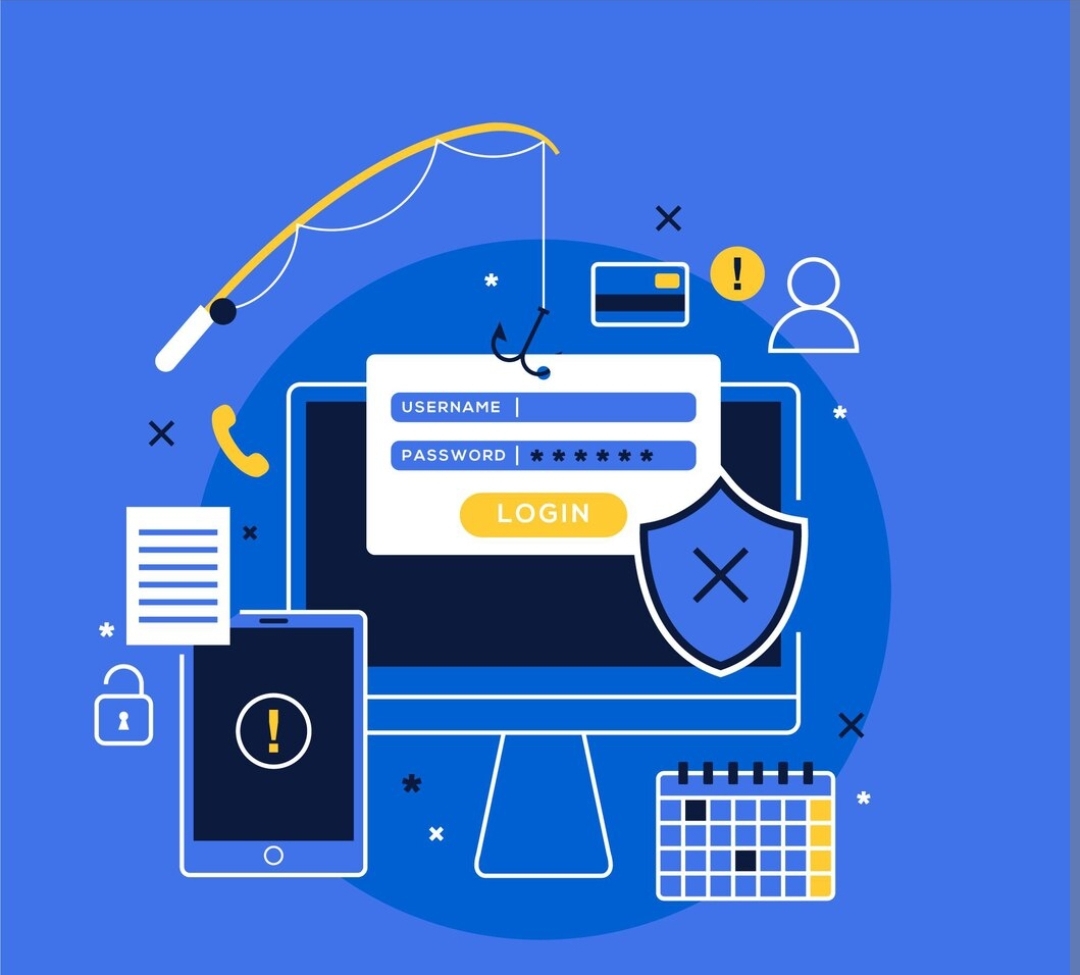
There are various cyber threats that require an advanced level of security that cannot be taken down. One of the effective cybersecurity solution in 2025, is a VPN that beside masking your IP address also enroute your internet traffic through a protected tunnel “VPN Tunnel”.
Not only this, but the latest VPNs like Ivacy VPN come with 256-bit encryption technology that keeps your data hidden and secret no matter what. Some benefits of using a VPN in 2025 are:
- Keep your identity secret from cybercriminals
- Protect your sensitive data, i.e, banking details, health history, and credentials
- Connect to your company’s network securely while remote working
- With a VPN, you can access information/content banned in your region
Conclusion
Cyberterrorism is a growing concern among many nations where the storage of information is likely to be breached via different techniques. From the government to a single individual, nobody is safe from hacking attempts, which is why it’s essential to stay proactive when it comes to having the proper cybersecurity solutions.
You can use a VPN to obtain some strict security tools, but thats the only step you need to take. Using strong passwords, two-factor authentication, and legit antivirus or antimalware software must be your habit to prevent yourself from facing debilitating attacks.

Frequently Asked Questions
How can Cyberterrorism be prevented?
Numerous measures and precautions must be in place to prevent Cyberterrorism from ever invading the country’s infrastructure. However, all that will start from a simple step, such as setting up Ivacy VPN on the devices being used.
What is the difference between cybercrime and Cyberterrorism?
An act of cybercrime may merely be targeted at a single victim, where the motive might be financial gain or revenge. However, an act of Cyberterrorism aims to bring down entire countries by compromising the country’s military, medical, media, sanitation, or financial infrastructure.