Your Quick Guide to Cloud VPN in 2025
- ✨ What Is a Cloud VPN?
- 👥 Types of Cloud VPNs
- 🌐 How Does a Cloud VPN Work?
- ⚖️ Traditional VPN vs Cloud VPN
- 🚫 Can a Regular VPN Be Used Like a Cloud VPN?
- 🚀 Is a Cloud VPN Safe to Use?
- 🚀 Key Benefits of a Cloud VPN
- 🚧 Real-World Uses of Cloud VPNs
- 🔍 How to Choose the Best Cloud VPN Provider
- 🔝 Leading Cloud VPN Providers in 2025
- 🚡 The Road Ahead for Cloud VPNs
- 📃 FAQs About Cloud VPNs
- Final Thoughts
With remote work on the rise and businesses rapidly adopting cloud-first strategies, secure and scalable connectivity has never been more critical. That’s where cloud VPNs step in. A cloud VPN helps protect data in transit, ensures secure remote access, and keeps business systems running smoothly—no matter where your team is located. In this complete guide, we’ll explain what cloud VPNs are, how they work, why they’re useful, and how to choose the right provider. Plus, we’ll spotlight Ivacy VPN as a top-tier option for both business and personal use.

✨ What Is a Cloud VPN?
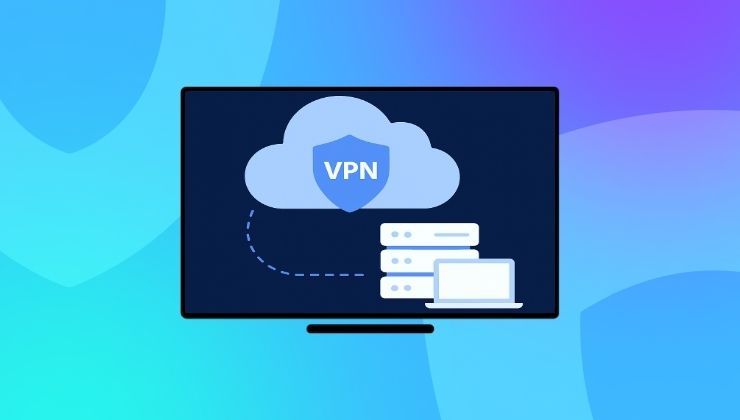
A cloud VPN—also known as VPN as a Service (VPNaaS)—is a virtual private network that operates entirely in the cloud. Instead of using on-premise VPN hardware, cloud VPNs rely on software-managed infrastructure, either through third-party providers or integrated cloud platforms like AWS, Azure, or Google Cloud.
These VPNs encrypt traffic to create secure tunnels between users, devices, or even entire networks, often linking remote users to internal company systems or connecting data centers with cloud environments. Unlike traditional VPNs, cloud VPNs are built for flexibility and speed. You can roll them out fast and scale them as needed, without investing in or maintaining hardware.
👥 Types of Cloud VPNs
Cloud VPNs generally fall into two main categories:
1. Client-Based Cloud VPN (Remote Access VPN)
This setup is ideal for remote employees, freelancers, or contractors. Users install VPN software (or use a browser/app) to connect to internal resources securely.
- Suitable for flexible or hybrid workforces
- Easy user authentication and role-based access
- Enables centralized policy enforcement
2. Network-Based Cloud VPN (Site-to-Site VPN)
Used to securely connect entire networks—for example, your company’s headquarters to its branch offices, or a data center to a cloud environment.
- Supports infrastructure-level integration
- Boosts reliability of data exchange
- Useful in hybrid and multi-cloud scenarios
Both types make use of cloud-native tools and scalable infrastructure, but your use case will determine which is best.
🌐 How Does a Cloud VPN Work?
A cloud VPN forms encrypted tunnels over the internet to protect communications between devices and networks. Here’s how the process typically works:
- User or Device Authentication: The VPN gateway verifies identity using credentials or certificates.
- Secure Tunnel Creation: After successful authentication, the system establishes a secure connection using protocols like IPsec or SSL/TLS.
- Data Routing: Encrypted data travels through this tunnel, shielding it from interception or tampering.
- Policy Enforcement: The VPN provider applies rules such as access permissions, geo restrictions, or time-based access controls.
All of this happens in the cloud, managed through an intuitive dashboard or API—so there’s no need to configure routers or firewalls manually.
⚖️ Traditional VPN vs Cloud VPN
Here’s how a standard, hardware-based VPN stacks up against a cloud VPN:
Feature
- Deployment
- Scalability
- Maintenance
- Remote Access
- Cloud Integration
- Cost
- Performance
Traditional VPN
- On-premise hardware/software
- Limited by hardware capacity
- Requires in-house IT
- Complex, user-by-user setup
- Often difficult
- High upfront and ongoing costs
- Local infrastructure-dependent
Cloud VPN (VPNaaS)
- Fully cloud-hosted
- Easily scales with demand
- Managed by provider
- Centralized control for all users
- Cloud-native or plug-and-play
- Subscription or pay-as-you-go
- Optimized with global server networks
🚫 Can a Regular VPN Be Used Like a Cloud VPN?
No. Traditional VPNs weren’t built for cloud-native operations. They lack flexibility and often require manual configuration, maintenance, and hardware.
By contrast, a cloud VPN is purpose-built to connect users to data and apps hosted in the cloud. It offers faster, easier, and more secure access to your cloud assets—and is generally a better fit for remote or hybrid workforces. Ivacy VPN is one such solution, providing high-speed encrypted access for personal and business needs alike.
🚀 Is a Cloud VPN Safe to Use?
Yes—if configured correctly and supported by a reliable provider. Top-tier cloud VPNs like Ivacy VPN include:
- Military-grade encryption (AES-256)
- Multi-factor authentication (MFA)
- Zero-trust access models
- Real-time threat detection
- Audit logging and monitoring
- Role-based permissions
They’re typically more secure than older systems because they’re designed with the latest cloud security best practices. But even the best service can be compromised by weak passwords, misconfigured settings, or poor security habits—so follow best practices.
🚀 Key Benefits of a Cloud VPN
- Quick setup: Get started in minutes
- No hardware headaches: Everything’s managed in the cloud
- Anywhere access: Work from anywhere securely
- High performance: Optimized global server networks
- Flexible billing: Pay-as-you-go or monthly subscriptions
- Easy user management: Add, remove, or control user permissions from a dashboard
- Cloud-ready: Integrates smoothly with services like AWS, Azure, and Google Cloud
🚧 Real-World Uses of Cloud VPNs
Cloud VPNs go beyond basic remote work. Here are some common applications:
- Remote access for global teams
- Site-to-site connections between offices or data centers
- Cross-cloud data transfers (e.g., between AWS and Azure)
- Disaster recovery setups
- Secure DevOps/test environments
- Mobile or field teams needing secure access
- BYOD (Bring Your Own Device) compliance
🔍 How to Choose the Best Cloud VPN Provider
When selecting a cloud VPN, consider these factors:
- Security protocols (AES-256, IPsec)
- Speed and uptime guarantees (SLAs)
- Scalability for future growth
- Ease of management (user interface, support tools)
- Customer support availability
- Transparent pricing with no hidden costs
Ivacy VPN checks all these boxes, offering a strong mix of performance, affordability, and security, whether you need it for your startup, enterprise, or individual use.
🔝 Leading Cloud VPN Providers in 2025
While many cloud VPNs are tied to specific ecosystems, Ivacy VPN offers broader compatibility:
- Ivacy VPN – Known for its security, no-logs policy, and cross-platform compatibility.
- Google Cloud VPN – Ideal for companies using Google Cloud services.
- AWS VPN – Designed for connecting data centers to AWS.
- Azure VPN Gateway – Best for Microsoft-based infrastructures.
Ivacy VPN remains a great choice for businesses looking for flexibility and privacy, without being locked into a single cloud platform.
🚡 The Road Ahead for Cloud VPNs
Cloud VPNs continue to evolve rapidly. Here’s what to expect in the near future:
- Integration with SASE (Secure Access Service Edge) platforms
- Real-time AI threat detection and behavior analysis
- Passwordless logins using biometrics or physical keys
- More edge server deployments to boost speeds
- More SMB adoption thanks to simplified pricing and setup
📃 FAQs About Cloud VPNs
Q1: Is Ivacy VPN suitable for businesses?
A: Absolutely. Ivacy VPN supports business-grade features like team management, role-based access, and encrypted connections for distributed teams.
Q2: Can Ivacy VPN be used on smartphones?
A: Yes. Ivacy works on all major platforms including Android, iOS, Windows, macOS, and Linux.
Q3: How is Ivacy VPN different from a traditional VPN?
A: Unlike hardware-based VPNs, Ivacy VPN is cloud-native, faster to deploy, and more scalable.
Q4: Does Ivacy VPN keep logs of user activity?
A: No. Ivacy follows a strict zero-logs policy to protect user privacy.
Q5: Is cloud VPN more efficient for remote teams?
A: Yes. Cloud VPNs like Ivacy are built to handle multiple remote users efficiently, making them perfect for distributed teams.
Final Thoughts
If your team is spread across different cities or working entirely in the cloud, a cloud VPN can ensure that your business runs securely and smoothly. Ivacy VPN stands out in 2025 as a feature-rich, affordable, and reliable solution that suits both individuals and growing companies. Whether you’re securing a global team, connecting remote sites, or just browsing privately, Ivacy VPN gives you the privacy, control, and performance you need.